

Introduction
Fluid loss control is one of the most important aspects of oil well cementing. During cement placement, excessive filtration of water from the cement slurry into the surrounding formation can change the slurry properties, reduce placement efficiency, and negatively affect the quality of the cement sheath.
Fluid Loss Additives (FLAs) are therefore widely used in oil well cement systems to control filtrate loss and maintain the designed properties of the cement slurry under different well conditions.
For conventional wells as well as deep, high-temperature, high-pressure (HPHT), and high-salinity applications, selecting an appropriate fluid loss additive is essential for achieving reliable cementing performance and long-term well integrity.
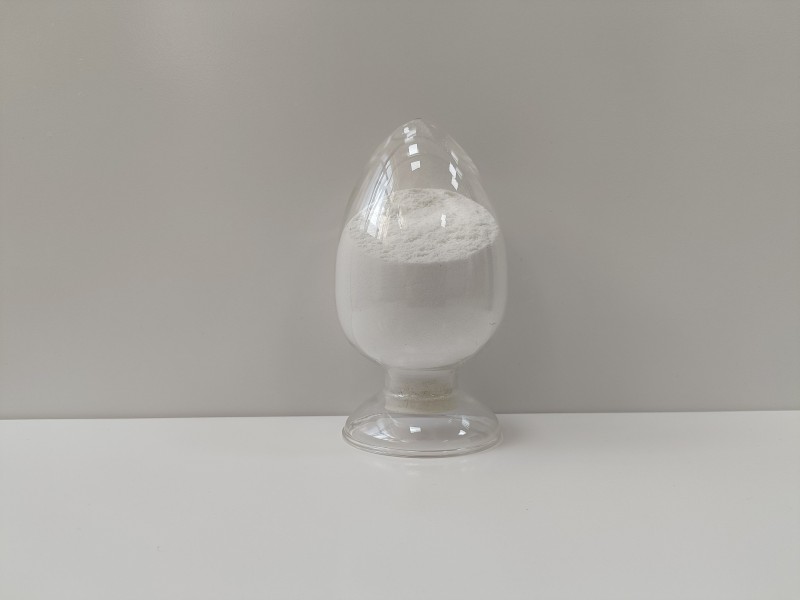 |
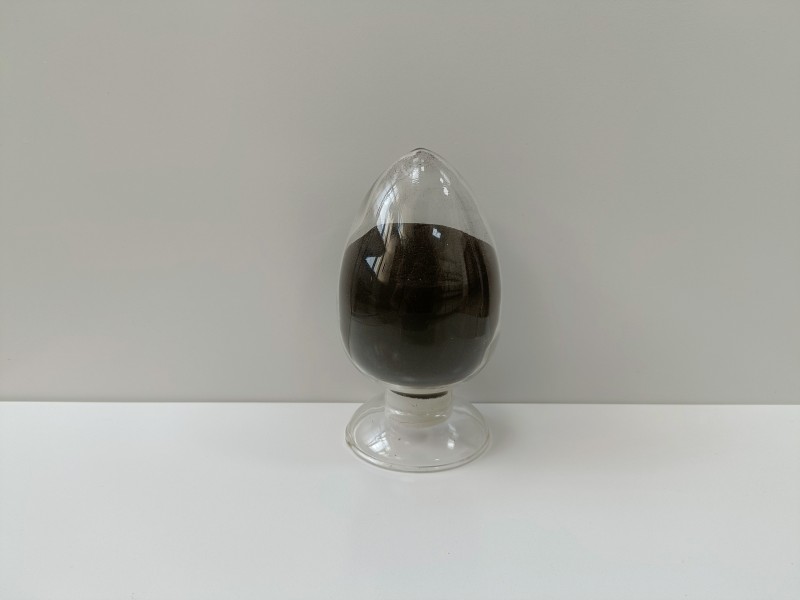 |
What Is a Fluid Loss Additive?
A Fluid Loss Additive is a chemical component incorporated into a cement slurry to reduce the amount of liquid that is filtered from the slurry into the surrounding formation during cementing.
Most modern cement fluid loss additives are water-soluble or dispersible polymers. Depending on their chemistry, they may control fluid loss through several mechanisms, including:
• Adsorption onto cement particle surfaces
• Formation of a low-permeability filter cake
• Reduction of filtration-channel size within the filter cake
• Increasing the viscosity of the aqueous phase
• Controlling the distribution and movement of polymer molecules within the cement slurry
These mechanisms work together to restrict the movement of water while allowing the cement slurry to retain its designed composition and performance during placement.
Why Is Fluid Loss Control Important in Oil Well Cementing?
1. Changes in the Effective Water-to-Cement Ratio
Excessive filtrate loss can locally change the effective water-to-cement ratio of the slurry during placement.
This may result in variations in slurry consistency, rheology, density, and hydration behavior. Maintaining controlled fluid loss helps the cement slurry remain closer to its designed composition throughout the placement process.
2. Formation of a Stable Filter Cake
As liquid filtrates into a permeable formation, cement particles and other solids are retained near the filtration surface, forming a filter cake.
An effective fluid loss additive helps produce a relatively dense and low-permeability filter cake, which limits further filtrate loss.
A well-controlled filter cake is particularly important when cementing across highly permeable or fractured formations.
3. Maintaining Cement Slurry Performance
Cement slurry properties are carefully designed according to the well conditions.
Excessive fluid loss can affect:
• Slurry rheology
• Pumpability
• Free fluid behavior
• Thickening time
• Cement placement
• Cement hydration
• Compressive strength development
• Bonding and zonal isolation
Fluid loss control therefore contributes to maintaining the overall stability and predictability of the cementing system.
4. Supporting Zonal Isolation and Gas Migration Control
Fluid loss control is also closely related to zonal isolation.
In formations where gas migration is a concern, uncontrolled filtration can contribute to changes in cement slurry properties during placement. Properly designed cement systems may combine fluid loss additives with gas migration control additives, latex systems, or other technologies to improve the quality of the cement sheath.
Fluid loss additives are not, by themselves, a complete solution to gas migration. However, effective fluid loss control can be an important part of an integrated gas-migration-control cement system.
How Do Fluid Loss Additives Work?
The performance of a polymer-based fluid loss additive is related to its interaction with cement particles, water, and the filtration structure.
Polymer Adsorption
Many polymeric fluid loss additives can adsorb onto the surfaces of cement particles.
This interaction helps modify the surface properties of the particles and contributes to the formation of a more effective filtration structure.
Filter Cake Formation
During filtration, solid particles accumulate near the filtration surface.
The polymer can help reduce the permeability of the resulting filter cake, making it more difficult for water to pass through.
A dense and relatively low-permeability filter cake can significantly reduce further filtrate loss.
Microchannel Control
Filtration takes place through interconnected pathways within the filter cake.
Fluid loss additives can help reduce the effective size and connectivity of these pathways, thereby increasing resistance to liquid flow.
Aqueous-Phase Viscosity
Some polymers also increase the viscosity of the aqueous phase.
Higher aqueous-phase viscosity can reduce the mobility of water and contribute to improved fluid loss control.
The actual contribution of each mechanism depends on polymer chemistry, molecular weight, cement composition, temperature, salinity, and interactions with other additives.
Fluid Loss Additives for High-Temperature Cementing
High-temperature wells create additional challenges for fluid loss control.
As temperature increases, polymer degradation, changes in adsorption behavior, cement hydration, and interactions between additives can affect performance.
Therefore, a fluid loss additive that performs well at moderate temperature may not provide the same performance under HPHT conditions.
Modern research has focused extensively on temperature-resistant polymer systems, including AMPS-based and other copolymer technologies designed to maintain fluid loss control under elevated temperature and salinity.
For HPHT cementing, the fluid loss additive should be evaluated together with the complete cement system rather than as an isolated component.
Important factors include:
• Cement type and composition
• Temperature and pressure
• Polymer chemistry
• Polymer concentration
• Salt concentration
• Mixing water composition
• Dispersant compatibility
• Retarder compatibility
• Cement particle-size distribution
• Required thickening time
• Target rheology
• Compressive strength development
Fluid Loss Control in High-Salinity and Seawater Systems
High-salinity cement systems present another important challenge.
Dissolved salts can affect polymer conformation, adsorption, hydration, and interaction with cement particles. Seawater contains multiple dissolved ions, including magnesium and calcium ions, which may influence the behavior of certain polymeric fluid loss additives.
For this reason, an additive that performs well in fresh water should not automatically be assumed to have the same performance in seawater or high-salinity systems.
Laboratory testing under the actual or representative mixing-water conditions is recommended before field application.
Salt-resistant polymer systems, particularly specially designed AMPS-based copolymers and related technologies, are increasingly used for cementing applications where conventional polymers may have limited performance.
Compatibility With Other Cementing Additives
Fluid loss additives do not work independently.
Their performance can be influenced by interactions with other cementing chemicals, including:
• Cement dispersants
• Retarders
• Accelerators
• Gas migration control additives
• Latex systems
• Defoamers
• Anti-settling additives
• Lost circulation materials
• Other specialty additives
For example, a fluid loss additive may affect slurry rheology or thickening behavior, while a dispersant may change polymer distribution and the overall filtration characteristics.
Therefore, compatibility testing should be performed using the complete cement formulation rather than evaluating the fluid loss additive alone.
Laboratory Evaluation of Fluid Loss Additives
Before field application, cement slurry containing the selected fluid loss additive should be evaluated under representative well conditions.
API Fluid Loss
API fluid loss testing is commonly used to evaluate the filtration behavior of cement slurries.
The required fluid loss target should be established according to the specific well conditions, cementing program, formation characteristics, and applicable technical specifications rather than applying one universal value to every cement system.
High-Temperature and High-Pressure Testing
For HPHT applications, fluid loss should be evaluated at representative temperature and pressure conditions.
Testing only at ambient conditions may not accurately predict field performance.
Rheology
Rheological testing helps determine whether the fluid loss additive produces acceptable slurry flow behavior.
The objective is to achieve effective fluid loss control without creating excessive viscosity or negatively affecting pumpability.
Thickening Time
The effect of the fluid loss additive on thickening time should also be evaluated.
The cement system must provide sufficient placement time while maintaining predictable thickening behavior under the intended temperature and pressure conditions.
Free Fluid and Stability
Free fluid and sedimentation behavior should be evaluated to ensure that the cement slurry remains sufficiently stable during static and dynamic conditions.
Compressive Strength
The effect of the fluid loss additive on cement hydration and strength development should be checked as part of the complete cement formulation.
Different fluid loss chemistries and concentrations can have different effects on hydration and mechanical properties, so performance should be confirmed experimentally.
Selecting the Right Fluid Loss Additive
There is no single fluid loss additive that is optimal for every cementing application.
The selection should consider the complete well environment and cement formulation.
Key selection factors include:
Temperature: The additive must maintain its performance within the expected circulating and static temperature range.
Salinity: The additive should be compatible with fresh water, seawater, or high-salinity mixing water as required.
Cement System: Different cement compositions and particle-size distributions can significantly affect fluid loss performance.
Compatibility: The additive must be compatible with dispersants, retarders, latexes, and other components of the cement system.
Rheology: Fluid loss control should be achieved without creating excessive slurry viscosity.
Thickening Time: The additive should not cause unacceptable changes in the required placement time.
Strength Development: The complete cement system should achieve the required mechanical properties after placement.
Formation Conditions: Formation permeability, pressure, temperature, and the risk of losses or gas migration should all be considered.
Foring Chemicals Fluid Loss Control Solutions
Foring Chemicals develops and supplies cementing additives for oil and gas well applications, with a particular focus on fluid loss control and customized cement slurry systems.
Our fluid loss additive solutions are designed for different cementing conditions, including conventional wells, high-temperature wells, high-salinity systems, and other challenging applications.
Foring’s technical team can work with customers to evaluate:
• Fluid loss performance
• High-temperature stability
• Salt and seawater compatibility
• Rheological behavior
• Thickening time
• Free fluid and slurry stability
• Compressive strength
• Compatibility with other cementing additives
Rather than selecting an additive based only on a single laboratory value, Foring recommends evaluating the additive within the complete cement slurry formulation and under conditions representative of the target well.
Conclusion
Fluid loss additives play an important role in modern oil well cementing.
By controlling filtrate loss, improving filter cake structure, interacting with cement particles, and helping maintain the designed slurry composition, fluid loss additives contribute to more predictable cement placement and improved cementing performance.
However, fluid loss control should always be considered as part of the complete cement system. Temperature, pressure, salinity, cement composition, dispersant, retarder, latex, and other additives can all influence final performance.
For challenging wells, especially HPHT and high-salinity applications, laboratory evaluation under representative conditions is essential.
With appropriate fluid loss additive selection, compatibility testing, and cement slurry optimization, operators can achieve more reliable cement placement and stronger foundations for long-term well integrity.
Post time: Sep-14-2026