

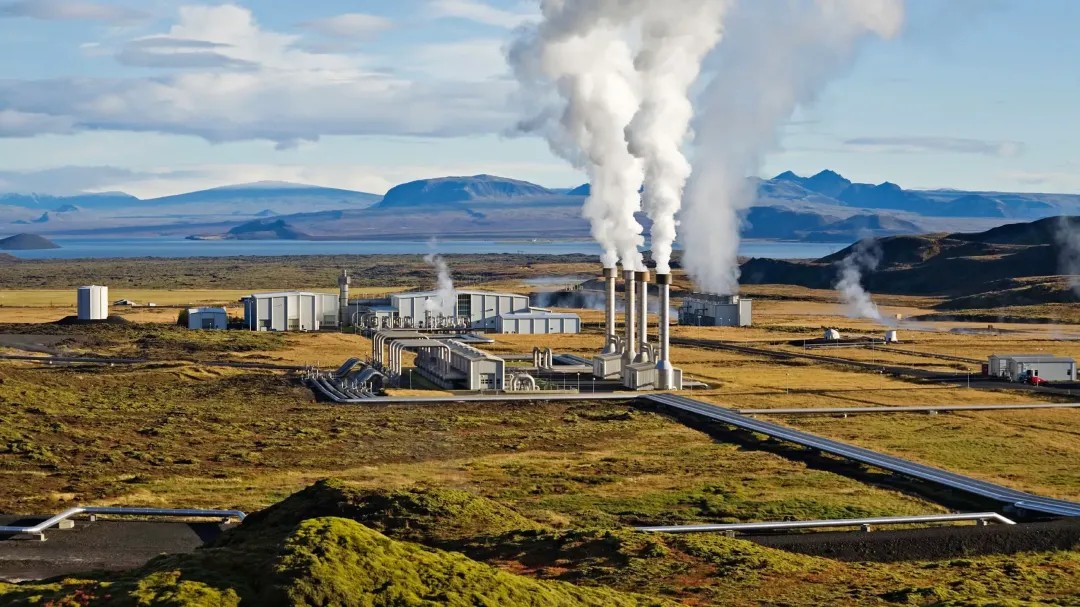
In the grand narrative of global energy transition, a pragmatic and sophisticated technological path is gaining endorsement from top industry forces: transforming millions of abandoned or idle oil and gas wells worldwide into stable geothermal energy production wells.
CeraPi Energy, a UK geothermal technology company, has reached an exclusive cooperation agreement with global oil service giant Halliburton, marking the official entry of this “waste to treasure” path into a new stage of scale and engineering.
01. Technical core:
CeraHiWell closed-loop system, revitalizing existing asset images
The core competitiveness of CeraPi is not to seek new geothermal resources, but to maximize the utilization of existing underground assets. Its patented technology CeraHiWell is a closed-loop vertical downhole heat exchanger. This system does not require the extraction of underground fluids, but instead conducts the heat from underground to the surface through the circulation of working fluids in closed pipelines for heating, cooling, or power generation.
The revolutionary nature of this model lies in its economy:
Significantly reducing capital expenditures: directly utilizing existing boreholes, avoiding the most expensive and time-consuming drilling process.
Significantly shorten the development cycle: the time from planning to production of projects can be compressed to a fraction of that of traditional geothermal projects.
Effectively avoiding geological risks: Transforming project uncertainty from complex formation fluid management to more controllable wellbore heat exchange engineering problems.
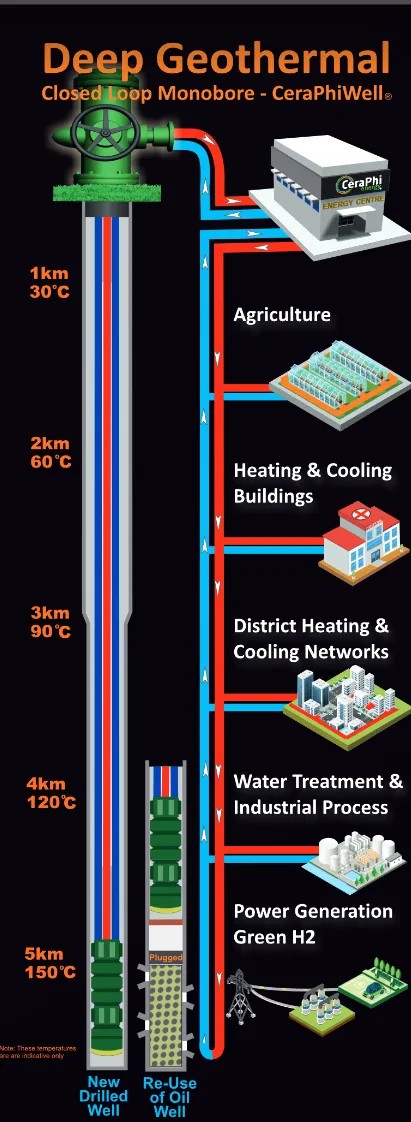
Schematic diagram of the principle and multi scenario application of CeraHiWell closed-loop single well deep geothermal system (source CeraHiWell)
02. Industry endorsement:
What does Halliburton’s deep collaboration mean? picture
Halliburton’s entry provides the strongest industry validation for CeraPi’s technological path. According to the agreement, Halliburton will provide exclusive drilling and downhole intervention services to CeraPi in exchange for physical engineering and project management support. This is not just a simple supplier relationship, but also a complete set of capabilities output from the mature oil service industry chain for geothermal new business models.
Steve Nowe, Senior Manager of Halliburton Europe, clearly stated in the cooperation announcement that the collaboration aims to “provide fully integrated solutions to reduce planning time, lower costs, and optimize value chain performance. This means that CeraPi’s model is upgrading from an innovative technology to a replicable and deliverable standardized energy service product.
03. Global Practice: Images from UK oil fields to old areas in China
CeraPi’s philosophy is not an isolated case, it represents a global trend: to give old oil fields a “second spring” in energy transformation.
UK local practice: CeraPi has partnered with IGas Energy, the largest onshore oil and gas well operator in the UK, to showcase the commercial potential of transforming oil and gas facilities into agricultural and residential heating systems using the latter’s existing well sites in Lincolnshire.
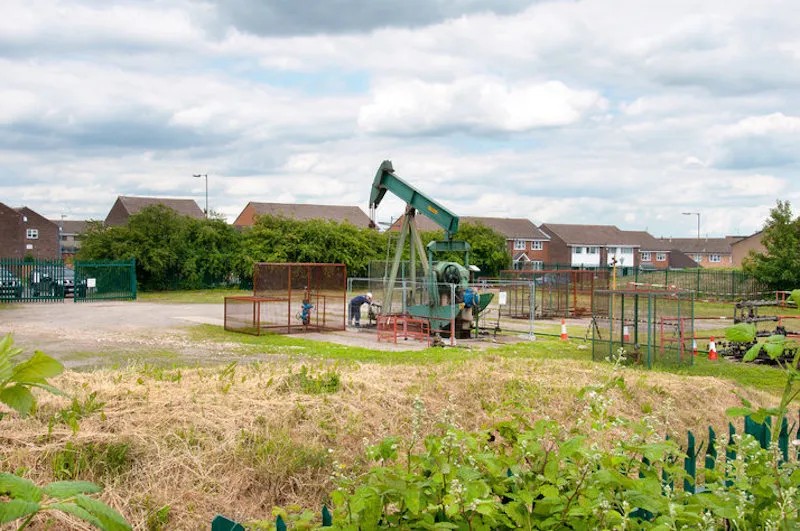
IGas at Gainsborough’s Well (Source IGas)
China’s’ Victory Model ‘: In China, the practice of Sinopec Shengli Oilfield is more prominent. Through the strategy of “turning abandoned wells into heat source wells and building new heat fields from old oil fields”, Shengli Oilfield has revitalized 25 abandoned wells that have been idle for a long time. The Gudong Oil Production Plant project has achieved an annual clean heating capacity of 209000 GJ, replaced 6.38 million cubic meters of natural gas annually, and reduced carbon dioxide emissions by 13500 tons through the renovation of two abandoned gas wells and 10 oil production wells. This model has been evaluated by Sun Huanquan, an academician of the CAE Member, as “providing a successful model that can be replicated and promoted for the clean transformation of the traditional oil and gas industry”.
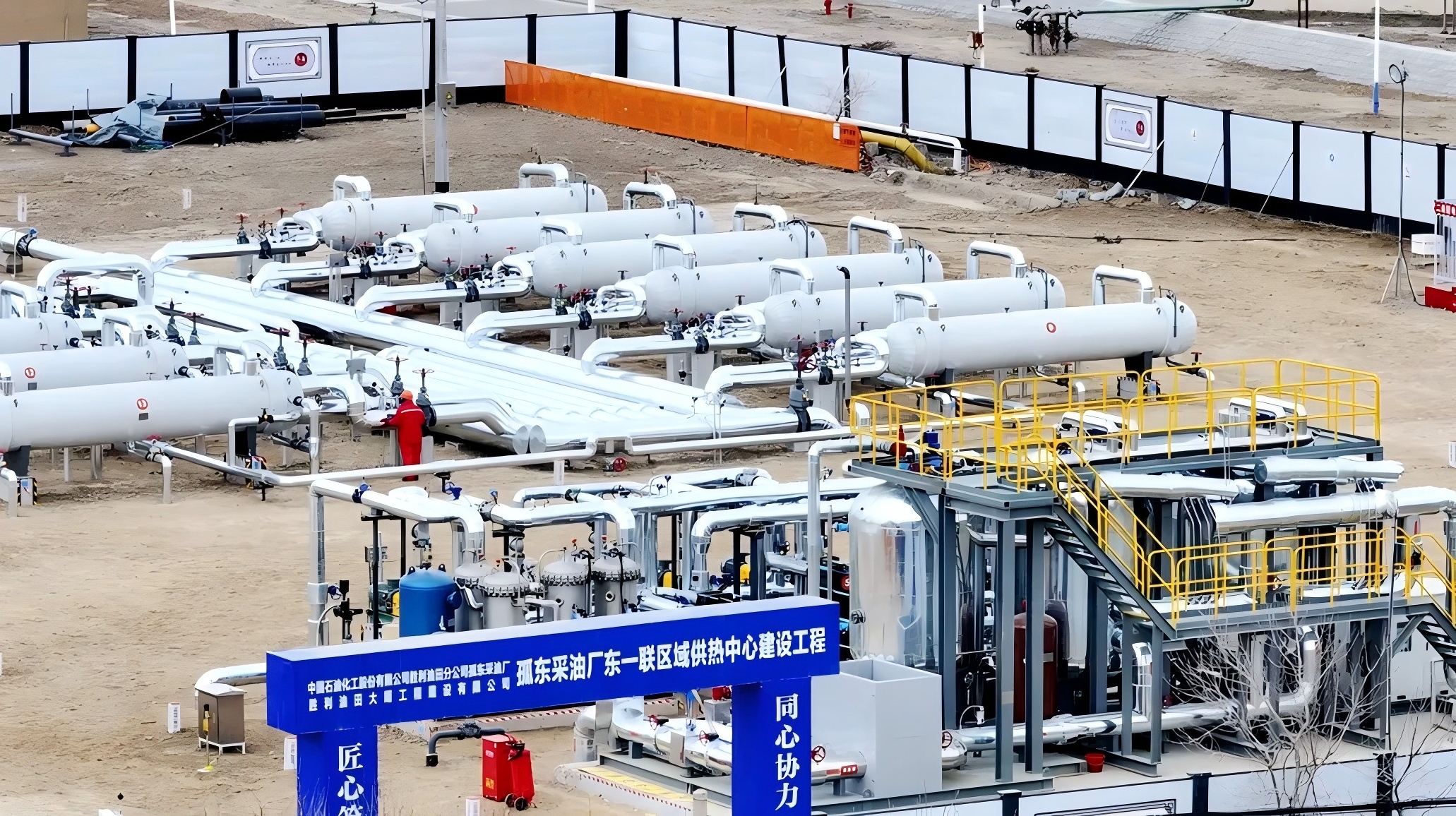
Sinopec Shengli Oilfield Gudong Oil Production Plant Dongyi Joint Station (Tuyuan Sinopec)
04. Industry Insights: Geothermal Development Enters the Era of “Engineering” Image
The cooperation between CeraPi and Halliburton, as well as the large-scale application of China’s Shengli Oilfield, jointly point to a clear industry signal: geothermal development is moving from the era of “resource exploration” to the era of “asset revitalization” and “engineering delivery”.
The core logic has undergone a fundamental transformation:
From “drilling new wells” to “renovating old wells”: Transforming the biggest cost item of geothermal development – drilling – into low-cost transformation of existing assets.
From being led by geologists to being led by oil service engineers: the technical key has shifted from searching for high-temperature thermal storage to designing and constructing efficient and reliable underground heat exchange systems.
From “project-based” to “productized”: With the help of global oil service giants like Halliburton, geothermal solutions are expected to form standardized and modular delivery capabilities similar to oil and gas services.
05. Conclusion
When the world’s top oil service companies start to see geothermal energy as the next important service market, and when one of China’s largest oil fields sets “building thermal fields within oil fields” as a strategy, this means that geothermal energy is no longer just a “potential stock” in reports, but is becoming an energy revolution driven by existing infrastructure, engineering capabilities, and industrial capital.
For the Chinese energy industry, which has the world’s largest oil and gas well assets and a complete oil and service industry chain, the story of CeraPi partnering with Halliburton is not only a technical case, but also a clear roadmap: the shortcut to energy transformation may be hidden in those wells we have already drilled but are about to be forgotten.
Post time: May-11-2026